
How to Choose a Psychologist in Dhaka
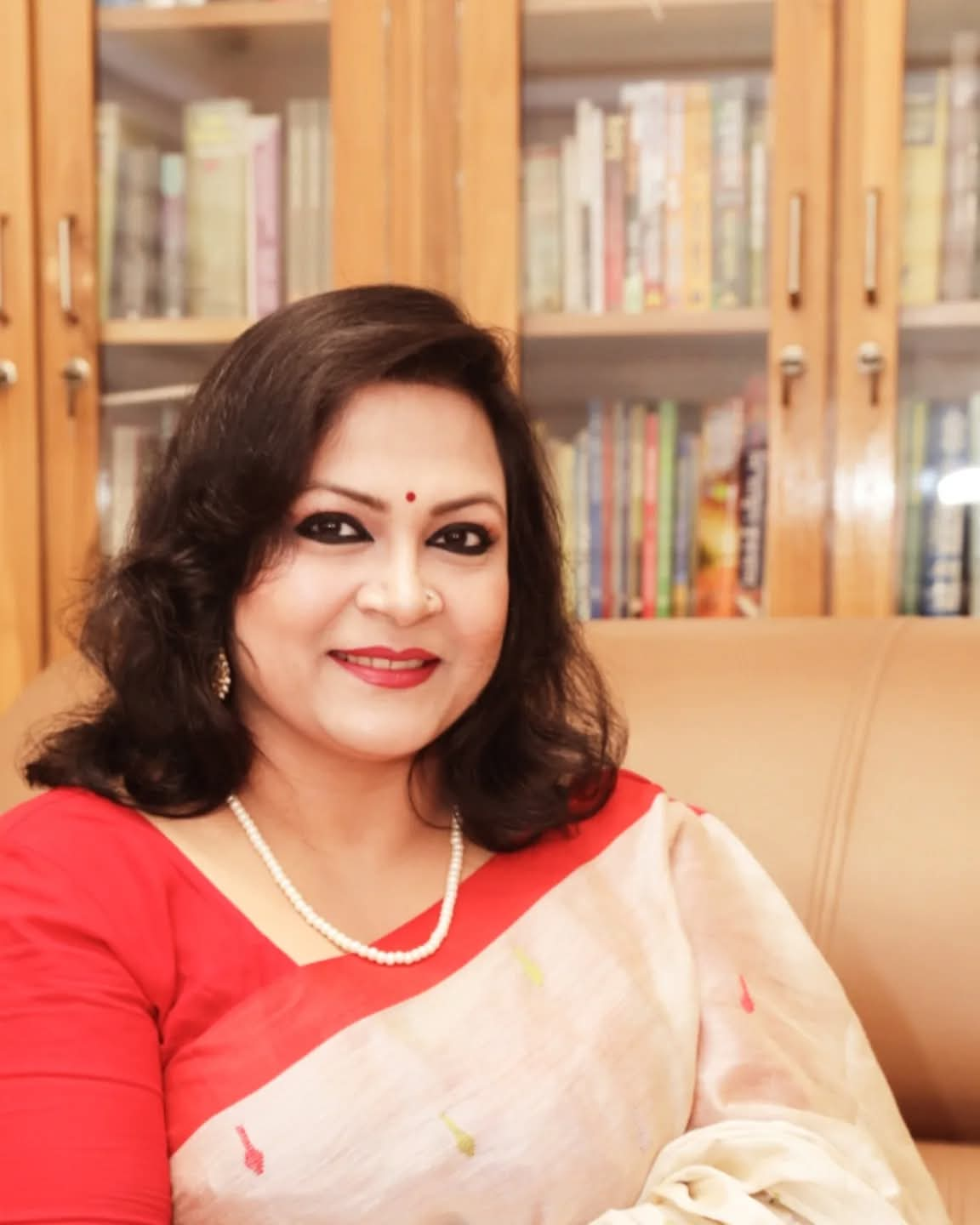 Written by Tania Subhashita, psychologist in Dhaka

Choosing a psychologist in Dhaka is harder than it should be. Bangladesh has no statutory register for psychologists like the one the Bangladesh Medical and Dental Council (BMDC) keeps for doctors, and researchers have called for a registration system (The Lancet Psychiatry, 2024). Until one exists, no authority checks who uses titles such as counsellor, therapist or psychologist.
A few direct questions tell you most of what you need to know, and a qualified psychologist will answer them without fuss.
1. What is your training in psychology?
Look for a university degree in psychology and, for clinical work, postgraduate training. In Bangladesh, the University of Dhaka offers postgraduate degrees in clinical psychology and in counselling psychology; the counselling psychology degree includes supervised practice and an internship. A short certificate course on its own is not the same as professional training.
2. Which professional bodies are you a member of?
Professional associations in Bangladesh include the Bangladesh Clinical Psychology Society and the Bangladesh Educational and Counselling Psychology Society. Ask which ones a practitioner belongs to, what membership required, and for their membership number.
3. Have you worked with difficulties like mine?
Ask how often they work with people facing the same difficulty, which approach they would use, and why. Cognitive behavioural therapy (CBT) is one of the most researched treatments for anxiety and depression; trauma-focused methods such as EMDR need specific training. A clear, plain-language answer is a good sign.
4. How do you protect my confidentiality?
Ask what is written down, who can see it, and when confidentiality might have to be broken (usually only when someone's life or safety is at serious risk). In a close family or a small community, also ask whether relatives will be told anything, and what happens if one of them contacts the practice.
5. What are your fees, and how long is a session?
A trustworthy practice tells you the fee, the session length and the cancellation policy before you start.
6. Do you work with psychiatrists when medication might help?
Psychologists provide assessment and talking therapy. Medication is prescribed by registered doctors, such as psychiatrists. A psychologist should know when to refer you and say so plainly. Psychologist or psychiatrist: who to see first explains how the two work together.
7. Can we talk before I commit?
A short first conversation tells you a lot: whether you feel heard, whether things are explained clearly, and whether you would be comfortable coming back. You should never feel pressured to book more sessions than you want. Your choice is not limited to Dhaka, either: online counselling works well for many people anywhere in Bangladesh.
Red flags
- A promise of a cure, or of a set result within a set number of sessions
- Pressure to buy packages or pay a large amount in advance
- Advice to stop prescribed medication without your doctor
- Stories about other clients told in a way that could identify them
- Irritation when you ask about training or fees
If you would like to put these questions to Tania Subhashita, you can read about her training or book a free 20-minute consultation.
If you need help now
If you might act on thoughts of ending your life, or someone is in immediate danger, call 999 now or go to the nearest hospital emergency department. To talk to someone, the Kaan Pete Roi emotional support helpline is on 09612-119911, from 3 pm to 3 am every day. Outside those hours, if you are not safe, call 999.
This article is general information. It is not a diagnosis, and it does not replace an assessment with a qualified professional.